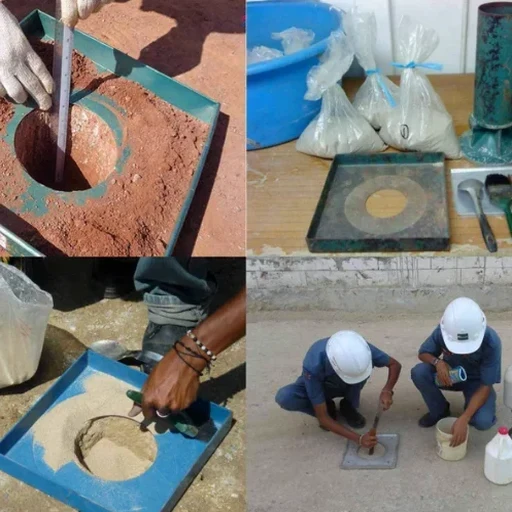
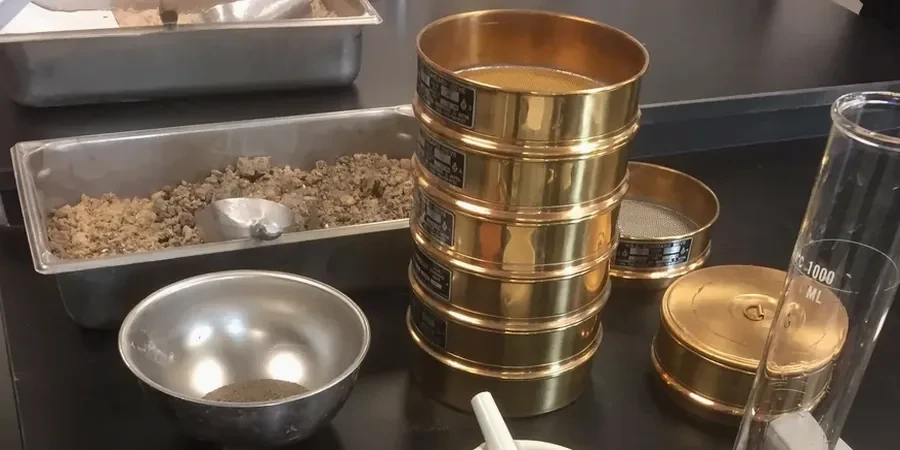
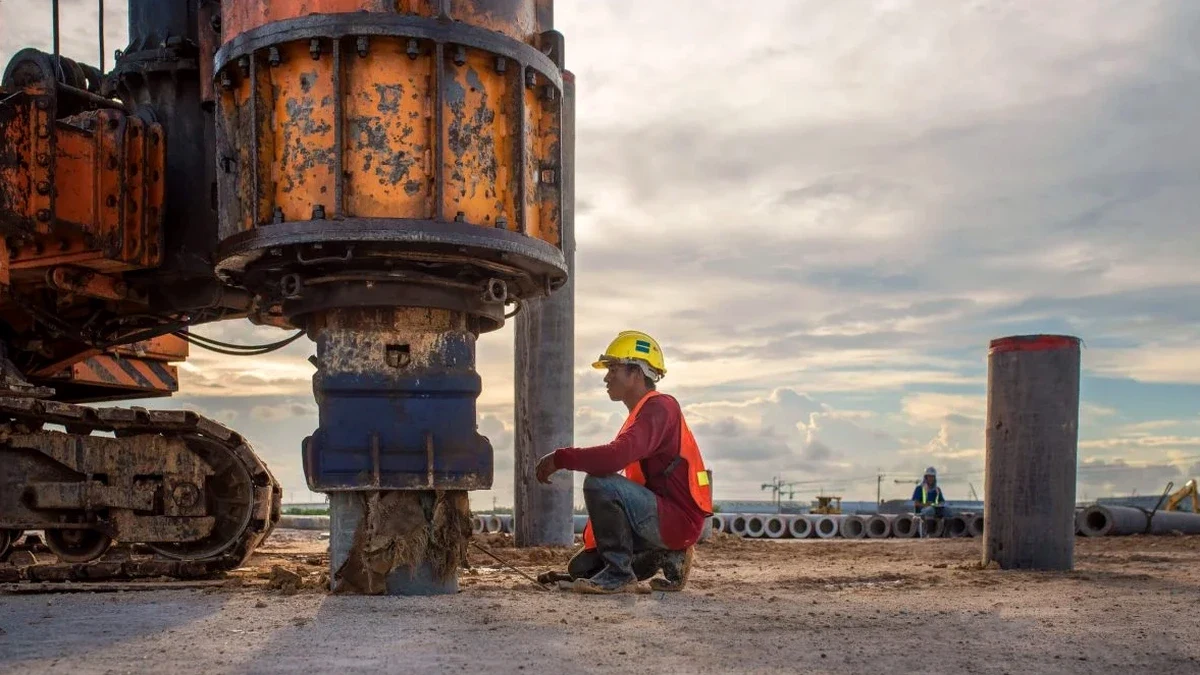
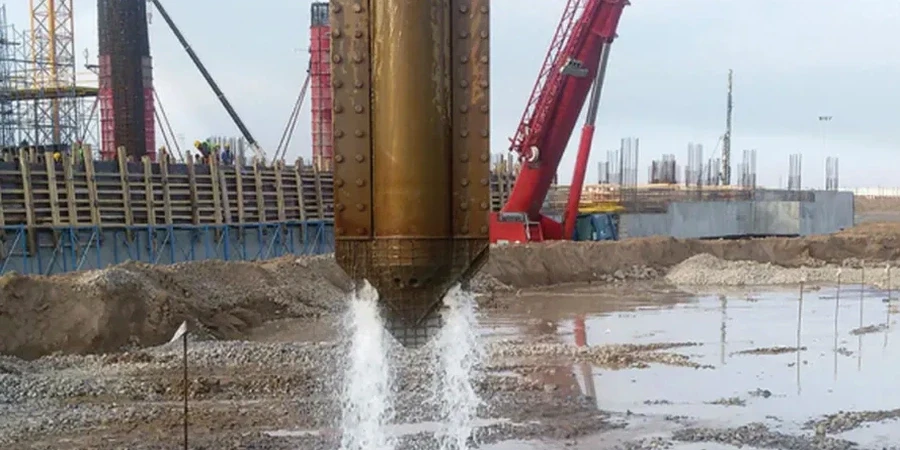
You know the call. The site was fine during the dry summer, but come fall, after a few nor'easters, the foundation pads start showing differential settlement. In Hampton, where much of the buildable land sits on loose, hydraulically placed sands from the 20th century, skipping a proper vibrocompaction design isn't just risky—it's a guaranteed warranty claim. The city's position at the mouth of the James River, barely 10 feet above sea level on average, means the water table is practically at the surface year-round. Contractors who just bring in a vibrator and hope for the best end up with inconsistent density and a lot of explaining to do. Our team has seen it too many times. We deliver a sequence of in-situ testing and compaction design that turns that unpredictable sandy fill into a competent bearing stratum, giving you numbers from an SPT drilling program to back up your subgrade acceptance.
A well-designed vibrocompaction program can take a site from an SPT N-value of 8 to over 25 in a single shift—density verification is the only way to prove it.