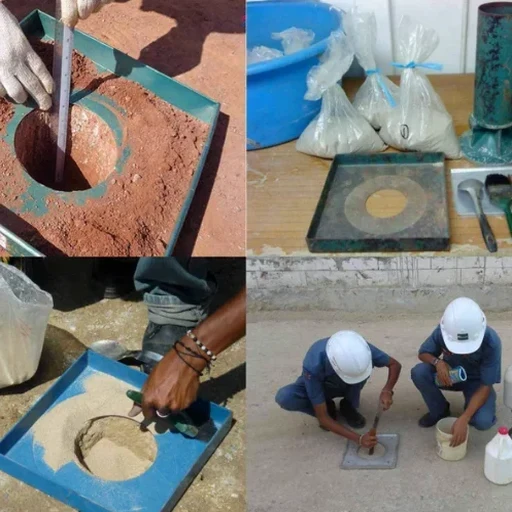
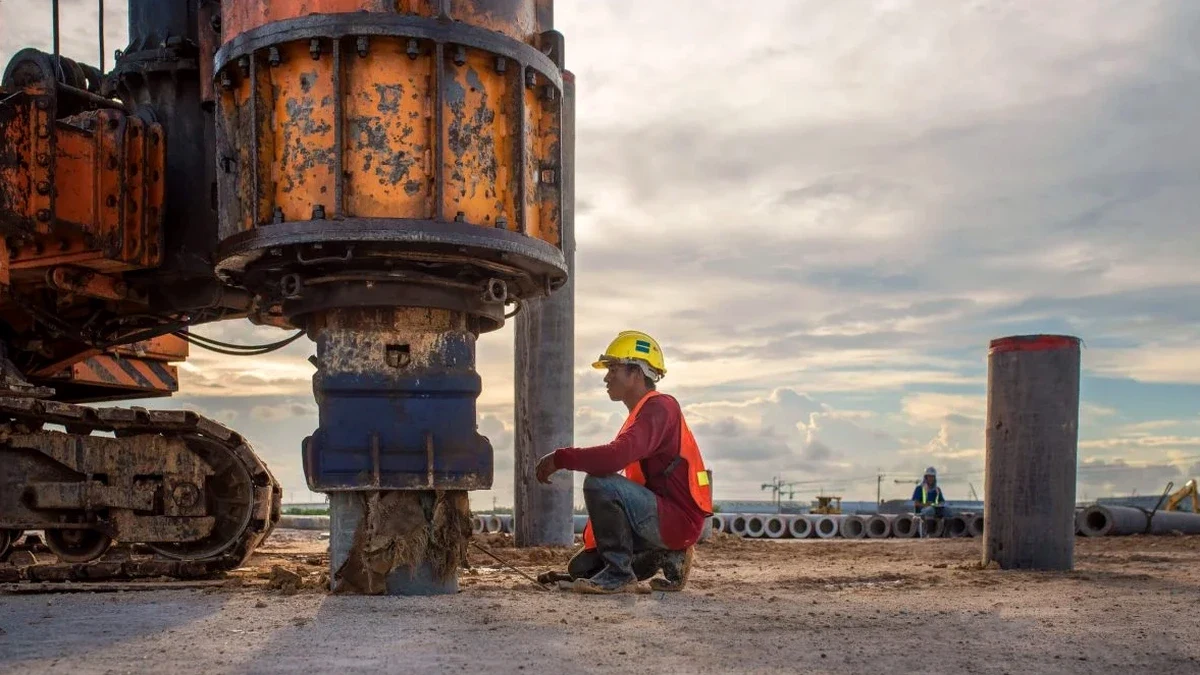
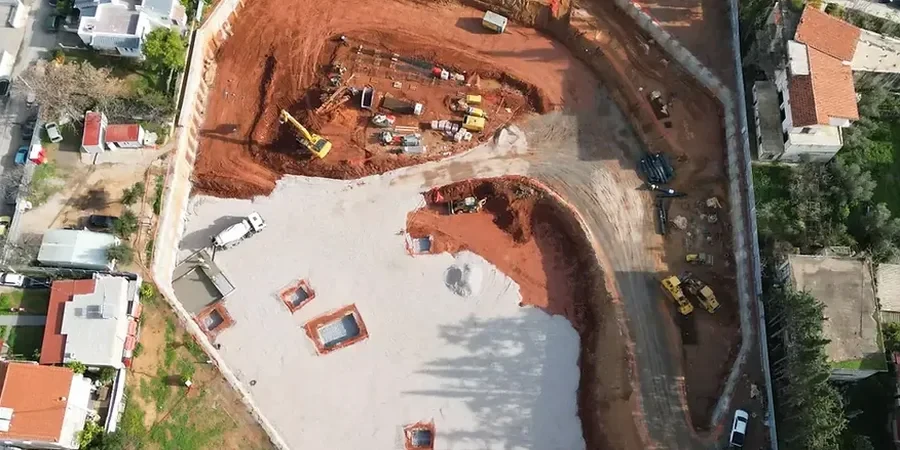
A mid-rise development near the Hampton Roads Convention Center ran into trouble when the excavation hit a pocket of loose silty sand at 18 feet. The contractor called us after the preliminary benching started sloughing. In Hampton, deep excavation design is not something you can templatize. The city sits on the Atlantic Coastal Plain, with subsurface profiles that shift from stiff Yorktown Formation clays to loose Pleistocene sands within a few hundred feet. Our approach integrates in-situ testing, groundwater modeling, and staged shoring analysis under ASCE 7 load combinations. Before breaking ground on any cut deeper than 10 feet, the CPT test provides a continuous stratigraphic log that picks up thin sand lenses traditional borings often miss, and in areas where the water table hovers within 5 feet of grade, the in-situ permeability testing becomes critical for designing a dewatering system that actually works.
Excavation design in Hampton must account for the Yorktown Formation clay: stiff near the surface but prone to softening when dewatering lowers the effective stress.