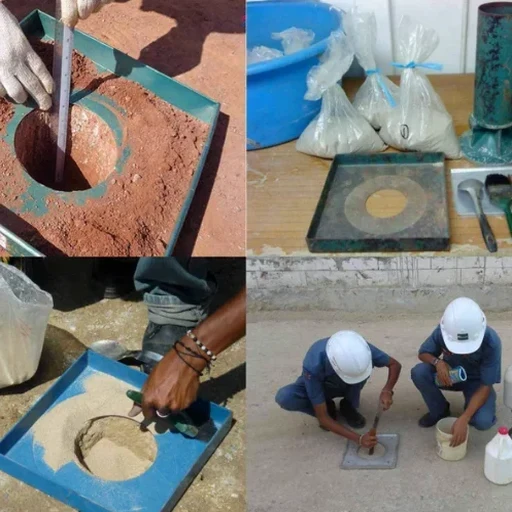
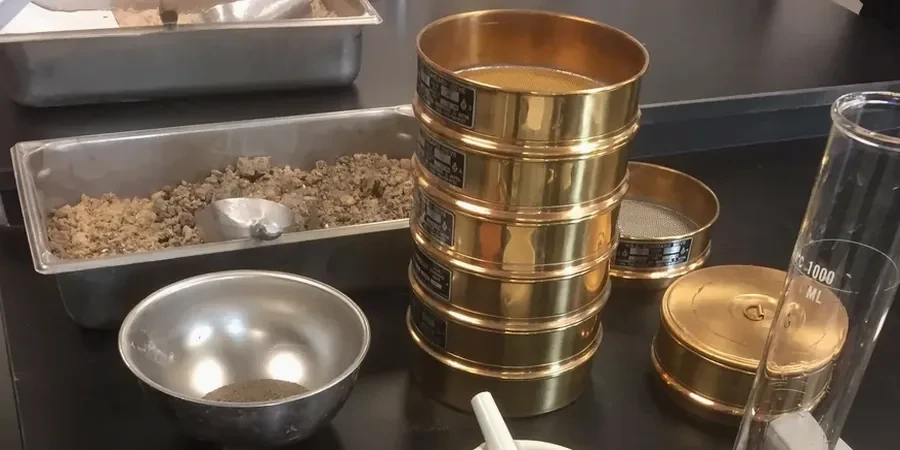
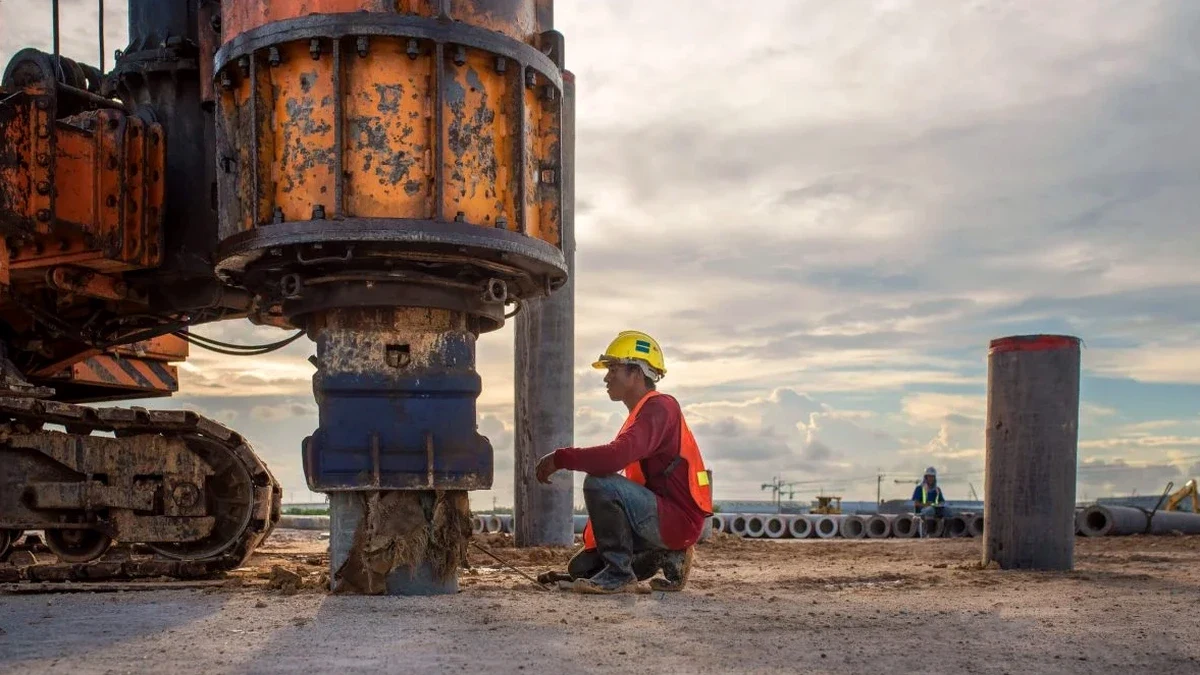
Coastal Virginia geology demands precision. In Hampton, where the Atlantic Coastal Plain transitions into the Chesapeake Bay estuary, subsurface conditions shift from clean sands to high-plasticity silts within a single block. The marine clay lenses underlying neighborhoods like Phoebus and Wythe require compaction verification that accounts for tidal groundwater fluctuations. Our field density test program deploys the sand cone method alongside complementary in-situ permeability assessments when the water table sits less than four feet below grade — a common scenario across the Hampton Roads peninsula. The sand cone procedure, governed by ASTM D1556, provides direct measurement of in-place soil density, a parameter that nuclear gauges often misread in the iron-rich residual soils found near Langley AFB. Contractors working on I-64 expansion or subdivision grading in the Coliseum Central corridor rely on this data to meet VDOT compaction specifications without risking post-construction settlement in the underlying Yorktown Formation sediments.
A sand cone test on Hampton's Tabb Formation sands delivers density values that nuclear gauges can overestimate by 3-5 pcf due to elevated background iron content.