GEOTECHNICAL ENGINEERING
HAMPTON VIRGINIA
HomeSlopes & WallsActive/passive anchor design

Active and Passive Anchor Design in Hampton, Virginia

Rigorous testing. Clear reporting.

LEARN MORE

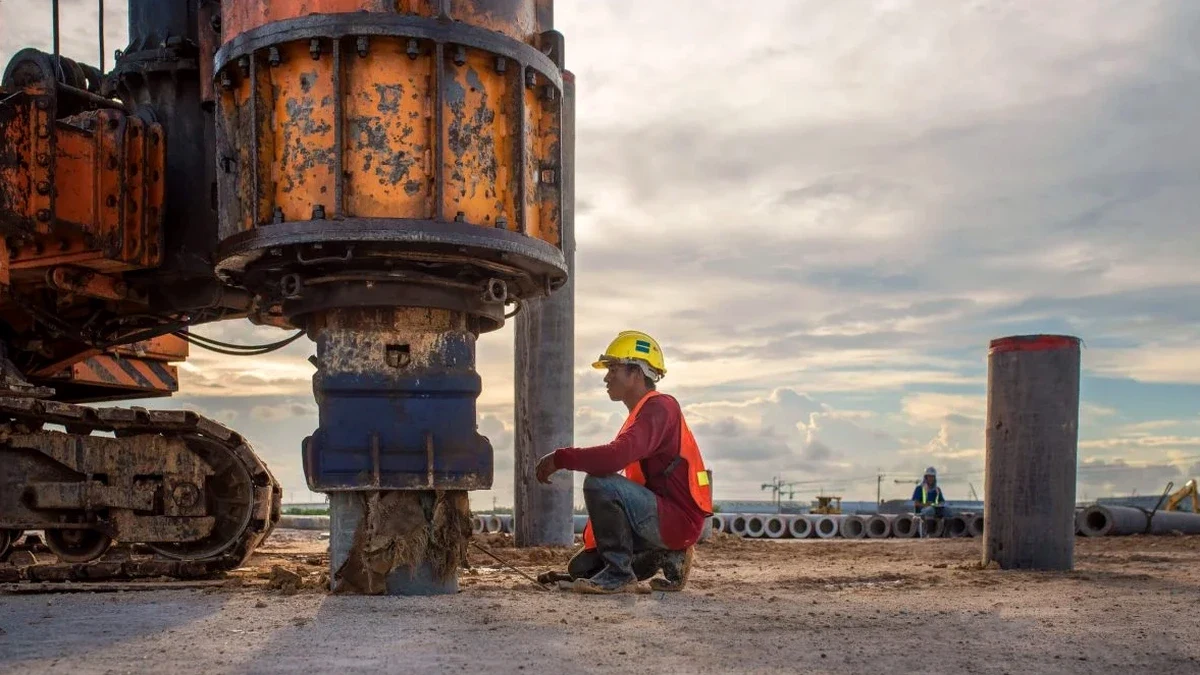
Hampton sits at roughly 10 feet above sea level, with a water table that rarely drops more than 8 feet below grade. That means half the projects along Mercury Boulevard or near the Hampton Roads Bridge-Tunnel expansion face groundwater during excavation. We design active and passive anchors for those conditions. A soldier pile wall with active tiebacks handles the lateral pressure. A passive anchor system stabilizes the base of a cut when space is tight. For deep excavations in the Yorktown Formation, we pair anchor design with a slope stability analysis to confirm the global factor of safety before any steel goes in the ground.

A single under-designed anchor in Hampton's high-water-table soils can fail progressively; we size each tendon for the corrosion protection level that the site demands.
Our service areas

Our approach and scope

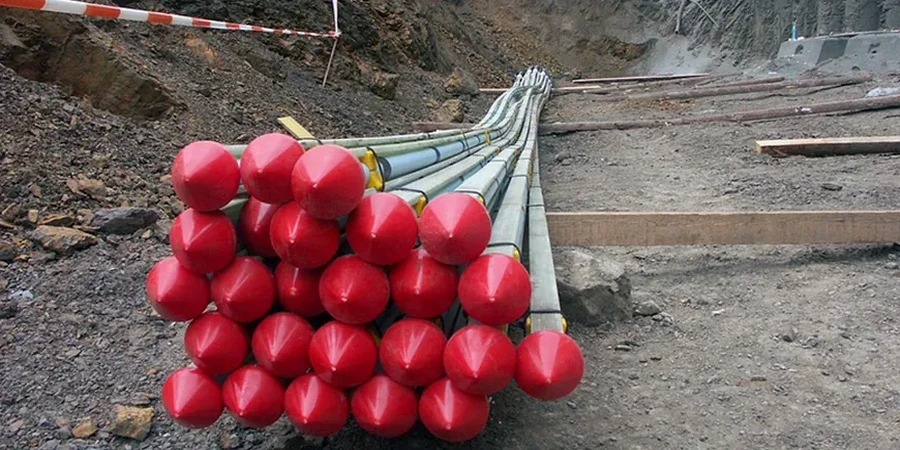
We recently designed a tied-back wall for a 30-foot cut on a site near the Hampton Coliseum. The upper 15 feet were loose sands over stiff silty clay. The contractor needed three rows of active anchors. Bond length, unbonded length, and lock-off load were all sized per the IBC 2021 and ASCE 7-22 load combinations. For the passive zone at the toe, we specified drilled-in bar anchors with a 45-degree inclination. That detail matters when the lower strata are cohesive and the passive wedge is narrow. On sites where fill thickness is unknown, a quick CPT sounding gives us continuous tip resistance and sleeve friction data to fine-tune the anchor free-length before the drill rig mobilizes.
Active and Passive Anchor Design in Hampton, Virginia
Technical reference — Hampton Virginia

Site-specific factors

Hampton's downtown and Phoebus district grew over a century of fill placement along the Hampton River. That fill is a mix of sand, dredge spoil, and debris. Anchor capacity in fill is unpredictable. We run at least one sacrificial load test to 150% of the lock-off load before production drilling starts. Corrosion is the second risk. The brackish groundwater in Hampton attacks unprotected steel quickly. We default to Class II encapsulated protection for permanent anchors below the water table. A creep test at the start of the anchor installation program confirms the bond stress is stable over the design life. Skip these steps and the wall can move. In Hampton we have seen walls deflect 3 inches when anchor relaxation was not checked.

Need a geotechnical assessment?

Reply within 24h.

Email: [email protected]

Regulatory framework

IBC 2021 (Virginia Uniform Statewide Building Code), ASCE 7-22 Minimum Design Loads, PTI DC35.1 Recommendations for Prestressed Rock and Soil Anchors, ASTM D1586 Standard Penetration Test, ASTM D5778 CPT Standard

Reference parameters

ParameterTypical value
Design methodASD and LRFD per IBC 2021 / ASCE 7-22
Anchor typesActive tiebacks, passive bar anchors, soil nails
Corrosion protectionClass I (epoxy) or Class II (encapsulated) per PTI DC35.1
Bond length verificationField load tests to 133% of design load
Grout specificationNeat cement grout, w/c ratio ≤ 0.45, 28-day strength ≥ 4,000 psi
Typical anchor capacity range50 kips to 300 kips per tendon
Subsurface investigation standardASTM D1586 SPT borings, supplemented by CPT per ASTM D5778

Common questions

What is the cost range for an anchor design package in Hampton?

A full anchor design package including calculations, drawings, and a load test specification typically ranges from US$1,050 to US$3,280 depending on the number of anchor rows and the complexity of the corrosion protection required.

What is the difference between an active and a passive anchor?

An active anchor is tensioned to a lock-off load after grouting. It applies a pre-compression force to the wall. A passive anchor is not tensioned; it only develops resistance once the wall starts to move and the anchor elongates. Active anchors control deflection. Passive anchors work where some movement is acceptable.

How do you verify the bond length in Hampton's soils?

We specify a field load test on a sacrificial anchor installed at the same inclination and drilling method as production anchors. The test loads to 133% of the design load in increments, measuring creep at each step. The results confirm the bond stress assumptions before production drilling begins.

What corrosion protection level do Hampton sites require?

For temporary anchors above the water table, Class I epoxy-coated bar is often sufficient. For permanent anchors or any anchor below Hampton's brackish groundwater, we specify Class II encapsulated protection: corrugated sheathing filled with grout over the full tendon length. We follow PTI DC35.1 for the protection details.

Location and service area

We serve projects in Hampton Virginia and surrounding areas.

View larger map