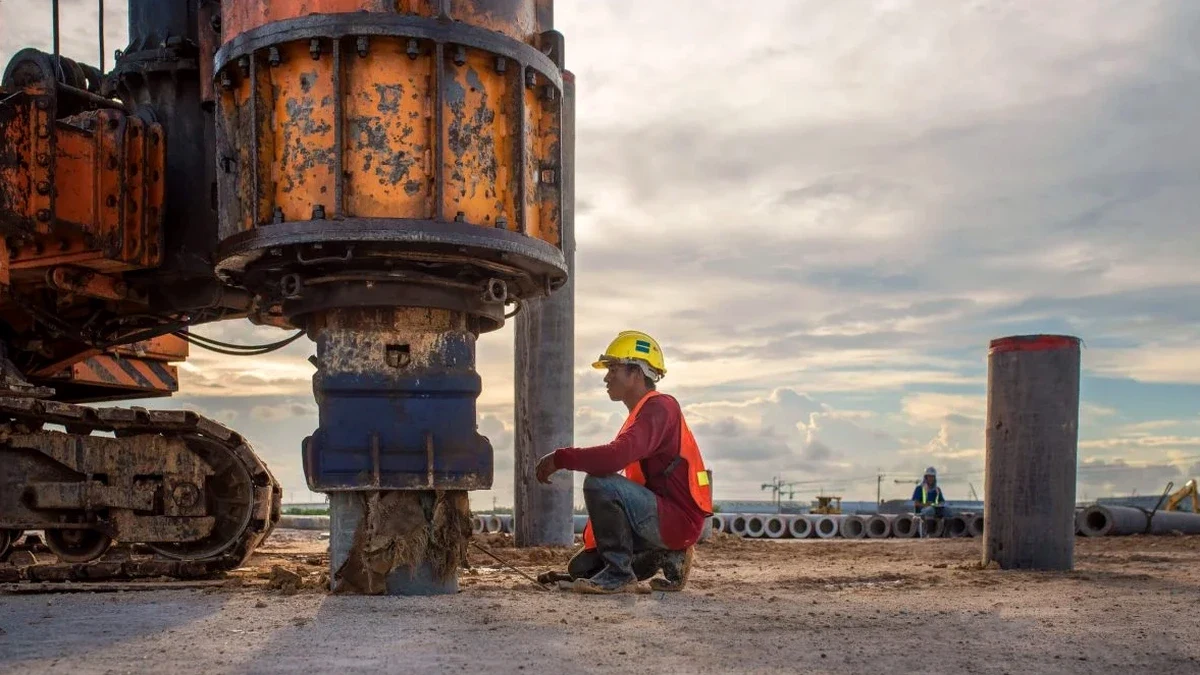
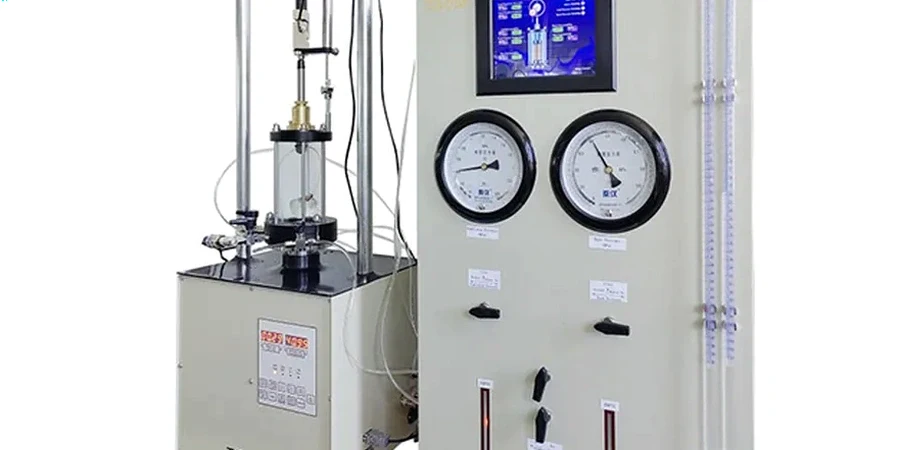
Hampton's evolution from a 17th-century port at the mouth of the Chesapeake Bay to a modern coastal city means its subsurface tells a layered story. Much of the downtown core and redeveloping waterfront sits atop the Tabb Formation — interbedded sands, silts, and stiff clays deposited during Pleistocene sea-level fluctuations. These units behave in complex ways under load, especially where marine clay lenses create undrained strength contrasts that shallow borings alone cannot resolve. Contractors working near the Hampton Coliseum or along Mercury Boulevard encounter soils that demand more than index classification. A triaxial test program captures the effective stress parameters these stratified deposits require, while a companion CPT investigation provides a continuous profile where traditional sampling gaps might miss critical low-strength layers. When the Virginia Department of Transportation reviews deep foundation designs near tidal zones, the data from a properly instrumented triaxial cell often becomes the deciding factor in pile capacity estimates.
Triaxial testing provides the stress-strain curve that index tests only hint at — the difference between a foundation that performs and one that surprises you during construction.